The Curtain Call Rule: Why Great Parties Know When to Stop
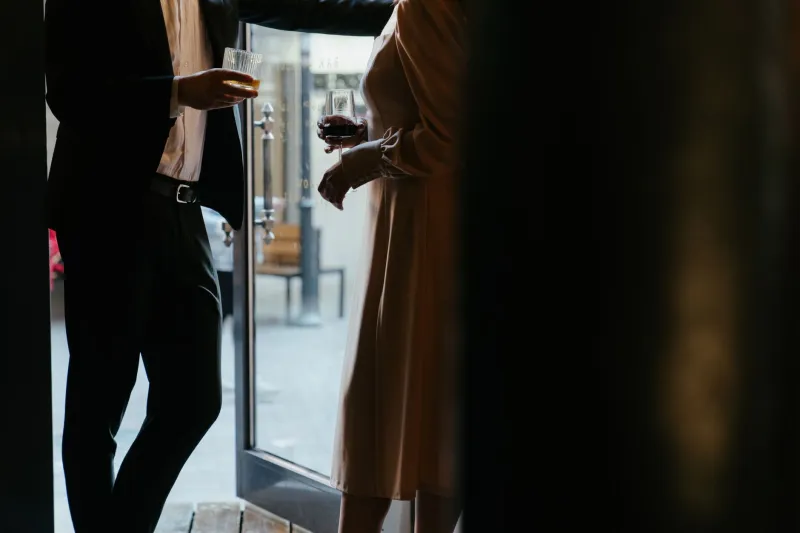
It's 11.40pm. The playlist has looped back to the same three songs, the crisps have gone soft, and one guest is telling a story that has already had two endings. You are stacking glasses with the quiet desperation of someone who knows the recycling won't put itself out. The party isn't over. It has simply stopped being a party.
We have all been to that one. We have probably hosted it. But the celebrations people talk about afterwards — the ones that feel warm and well-judged and genuinely worth the effort — tend to have something in common that has nothing to do with the grazing table or the fairy lights. They have a finish line. A proper one, planned in advance, with a bit of theatre about it.
The party that ends itself (and the one that doesn't)
Some parties fizzle. The music gets quieter, people drift towards the hall, and the last half hour is spent in a strange limbo of coats half-on and conversations that won't quite close. Others have a shape. They build, they peak, and then they come to a deliberate, generous stop while the room is still buzzing.
That second kind doesn't happen by accident. It is a design choice, and in 2026 it is quietly becoming one of the smartest ones a host can make. A finish time isn't a restriction on the fun. It is what gives the fun a container.
Why a firm finish is a kindness, not a brush-off
Guests relax when they know the shape of the evening. If the invitation says ten-thirty, people can plan the babysitter, the last train, the dog, the parking meter. They can say yes to one more glass because they know where the off-ramp is. Ambiguity, by contrast, is exhausting. Nobody wants to be the first to leave, and nobody wants to be the last one standing while the host yawns into a bin bag.
There is also the small matter of your own energy. A host who is still going at midnight is a host who will be cleaning up at one and regretting everything at seven. Ending on a high protects the thing you actually want: the memory of a good night, not the endurance test of a long one.
The 90-minute wind-down: a closing timeline
Think of the last hour and a half as a gentle slope rather than a cliff edge. Small signals, delivered in sequence, do the work so you don't have to announce anything awkwardly.
- 90 minutes out: Dessert or a pot of tea appears. The main lights go down a notch. The playlist shifts to something a little slower — not sad, just softer. People instinctively start to gather their things.
- 60 minutes out: Last drinks call, said cheerfully and without menace. This is also the moment to mention transport: the last train, the cab you've booked, the fact that the village hall lights go off at eleven.
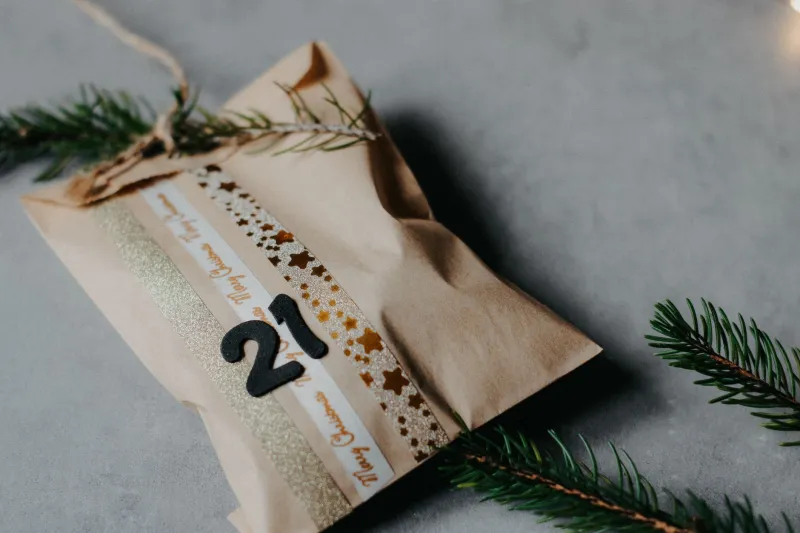
- 45 minutes out: Send-homes come out — the favours, the leftover cake, the bag of satsumas you bought in a panic. Handing someone something to take away is a polite way of saying the evening has a natural end.
- 30 minutes out: Music down another notch, lights up slightly. Begin your farewell lap. This is not a sweep; it is a series of small, warm goodbyes.
- 15 minutes out: Cabs are called, coats are found, the last few guests are walked to the door with genuine thanks. Nobody is rushed. Nobody is left wondering.
- Zero: Door closed. You sit down. This is the bit that makes the whole thing worthwhile.
The playlist tells the truth
Music is the most powerful cue you have, and it works best when it isn't obvious. A hard stop — the speakers going dead mid-song — feels like a power cut. A gradual fade feels like a party that knows how to end.
Try building a final thirty minutes that is still good, just less shouty. Something with a bit of swing, a bit of warmth, a tempo that invites conversation rather than dancing. The last song should be a belter, but it should be followed by silence and the sound of someone finding their coat. That is the curtain call. Let it land.
Scripts for a warm send-off
If the thought of telling people to go home makes you want to hide in the kitchen, borrow one of these. The trick is to make the ending about care rather than closing time.
- 'Right, I'm calling it — you have been magnificent. I'm doing the rounds because the babysitter has a hard stop.'
- 'Last train crew, I've got cabs coming in ten minutes. I'd rather send you off warmly than watch you sprint for the 23.14.'
- To the guest who is still mid-story: 'I'm so glad you came. I'm going to start clearing up, but please finish your drink.'
- The classic soft close: 'I'm putting the kettle on. Tea, anyone? No? Then let me walk you out.'
- For the neighbour who popped in for one and stayed for six: 'You've been brilliant. Same time next year, and I mean that.'
The last train clause
In the UK, the party often ends when the transport does. If you are hosting somewhere rural, pre-book cabs and tell guests the number. If you are in a city, check the night tube and the last National Rail service before you send the invitation, not at ten past eleven when everyone is squinting at their phones. A line on the invite — 'last train is 23.42, cabs take twenty minutes' — is a small courtesy that saves a lot of last-minute panic.
And if you are the guest? Leave when you said you would. The host's finish time is not a suggestion, and the babysitter's clock is not a negotiation.
The morning-after dividend
A party that ends at a sensible hour gives you something the long ones never do: a morning after you can actually enjoy. You can survey the damage without resentment, eat leftover cake for breakfast, and remember the evening as a complete thing rather than a slow leak.
So pick a finish time. Tell people. Build the wind-down. Send them off with a bit of warmth and a slice of something in a napkin. A party is a story, and every good story knows exactly where to stop.