The Twenty-Minute Test: Party Prep That Actually Pays You Back

Every party has a to-do list. The trouble is that most of us write it in a panic, adding jobs because they look impressive on Pinterest rather than because anyone at the party will actually care. The result is a host who has spent three hours piping something into tiny pastry cases and is now too tired to enjoy their own guests.
Here at DF Party, we prefer a simple filter: the twenty-minute test. If a job takes more than twenty minutes, costs more than a tenner and nobody would notice its absence, it needs a very good reason to stay on the list. That is the faff-to-fun ratio in action — effort on one side, guest enjoyment on the other. Get it right and your party feels generous without feeling like a school project.
The jobs that reliably earn their keep
Some prep is boringly effective. It will never trend on social media, but it makes a room feel looked-after within seconds.
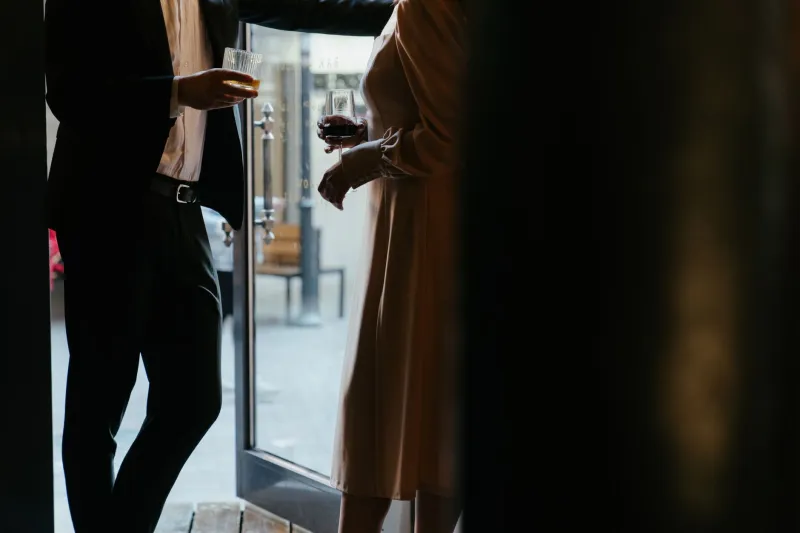
A proper welcome station is top of the list. That means a cold drink ready, glasses within reach, a bottle opener that works, and a visible place for empty cans. Add a jug of water with lemon or mint and you have covered the guests who do not drink, the ones who have had enough, and the ones who simply need something to do with their hands while they settle in.
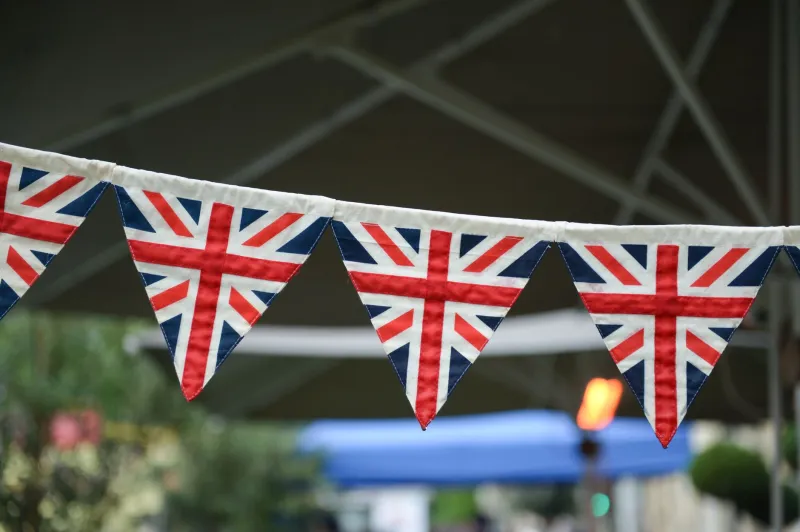
Lighting and music are the quiet heroes. A big overhead light turned off, two lamps turned on and a playlist that has been tested from start to finish will do more for the atmosphere than a hundred metres of bunting. If you are hosting in a village hall or church hall, check the lighting before you plan the décor. Grim fluorescent strips can undo even the most careful table.
Food that is easy to eat beats food that is impressive to photograph. Sausage rolls, a quiche, a grazing board, a traybake cut into squares, a bowl of crisps that gets refilled without ceremony — this is the stuff that disappears. Guests remember whether they were comfortable and fed, not whether the canapés had three components.
Then there are the unglamorous practicalities: ice, bin bags, loo roll, a spare hand towel, a coat rail or a clear spot for wet coats. In the UK, an umbrella stand in November is not a design statement. It is basic hospitality.
The expensive faff (and why you can drop it)
Now for the jobs that look like effort but rarely pay off.
Homemade canapés are the classic offender. If you are assembling twelve different bites, you are probably not talking to your guests. Worse, each one gets eaten in a single mouthful and forgotten before the next tray appears. Unless the food is the entire point of the party, buy the nice ready-made versions from M&S or Waitrose, or make one thing well and outsource the rest.
Elaborate table plans are another one. For a formal wedding or a seated dinner, yes, a plan earns its keep. For a kitchen supper for eighteen people, place cards can feel like homework. Most guests are happy to sit next to whoever is nearest the crisps. If you want a bit of order, a simple seating arrangement written on a chalkboard is plenty.
The last-minute balloon run is a rite of passage and a waste of petrol. The foil balloon from the petrol station will be half-deflated by pudding, and someone will have to wedge it into the boot while you find a parking space. Order balloons ahead or skip them. A birthday cake with a decent candle does the same job with far less stress.
Personalised favours for grown-up guests are another low-yield job. Adults rarely need a tiny box of sugared almonds with their name on it. If you want a send-home, make it useful or edible: a slice of cake wrapped in greaseproof paper, a decent mince pie, a small bag of good coffee. Otherwise, put the money behind the drinks.
Chair covers for a hall, DIY dessert tables with six puddings, and colour-coordinated napkins folded into swans all sit in the same category: high effort, low memory. They are not wrong. They are just not where the fun comes from.
The wildcards worth considering
A few jobs sit in the middle. They can be brilliant or a waste, depending on how you do them.
A photo spot is high-yield if the lighting is good and the props are minimal. It is low-yield if guests have to stand in a dark corridor holding a cardboard moustache. A decent instant camera and one clean background will do more than a box of novelty hats.
A kids’ activity table is worth every penny for a family party, but only if the activity suits the ages in the room. Sticker sheets for four-year-olds and a quiz for teenagers are not the same job. Give them something to do and the adults get a proper conversation.
A cleaner after a big party is not guest-facing, but it is host-facing, and that counts. If the choice is between a fancy dessert and not spending Sunday morning on your knees with a bin bag, choose the cleaner. Host happiness is part of the faff-to-fun ratio too.
How to audit your own list
Before you buy another roll of ribbon, score every job from one to five on three things: effort, visibility and memory. Effort is how long it takes you. Visibility is how quickly a guest notices it. Memory is whether anyone mentions it afterwards. Anything low on visibility and memory needs a hard look.
Then apply the guest’s eye test. Walk into your venue as if you have never been there. What do you see first? Is there somewhere to put a coat, a drink in your hand, a clear route to the food, and a light that does not make everyone look unwell? Sort those things before you worry about the napkins.
Delegate, buy, or drop. Those are the only three options. A party is not a performance of your effort. It is an evening — or afternoon — that should feel easy for the people in the room, including you.
The small touches that punch above their weight
A few tiny jobs repay their effort many times over. A loo basket with spare loo roll, hand towel and a discreet spray. A jug of water on the drinks table. A phone-charging spot near a plug. A bin where people can actually find it. A sign that says ‘help yourself’ so nobody has to ask. A coat rail, a shoe basket, an umbrella stand.
These are not glamorous. They are the reason a party feels relaxed. And relaxed is the thing guests remember. The best celebrations do not look like someone spent three days making them happen. They look like someone thought about the people in the room.
In 2026, with so many demands on our time and money, the smartest hosts are not the ones doing the most. They are the ones doing the right things. If a job will not be noticed, will not be remembered and will make you grumpy, it is probably not worth the panic. Spend your effort on welcome, comfort and a decent sausage roll. The rest is just faff.