The Mild-to-Wild Table: Curry Night Without a Kitchen Marathon
There's a very specific tension that arrives with the poppadoms at a British curry night. One guest is sweating through their collar at the mere mention of vindaloo; another is quietly disappointed that the korma has never been introduced to a chilli. Somewhere in the middle, a nine-year-old is refusing anything that isn't beige. Cook three separate curries to please them all and you'll spend the evening in the kitchen instead of at the table — which is, let's be honest, the exact opposite of a party.
The fix isn't a bigger menu. It's a smarter one: a single generous base, a couple of heat dials that live on the table rather than in the pan, and a spread of sides good enough to carry the meal on their own. Here's how we'd run it this autumn, with a supermarket trolley and a spare afternoon rather than a spice grinder and a prayer.
Start with one base, not five
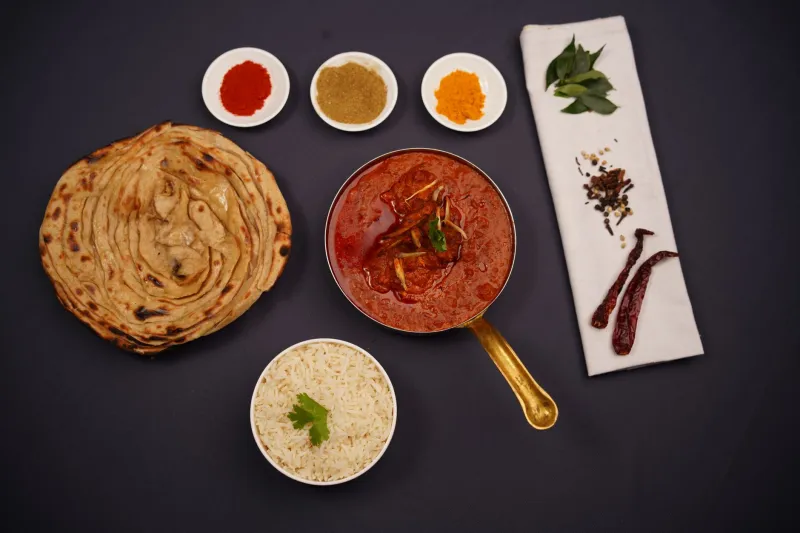
Pick a single curry that sits comfortably at mild-to-medium and scales like a dream. A tomato-and-onion masala is the obvious workhorse; a coconut-heavy korma-style sauce is the other. Both freeze well, both forgive a doubling, and neither punishes you if the guest list grows by four on the Thursday.
This is the one place in the plan where a shortcut earns its keep. A decent jarred paste — the sort sold in most supermarkets these days — fried off with onions before the tomatoes go in gives you a base that tastes like you tried, without the twenty-spice shuffle. Nobody at the table is handing out rosettes for grinding your own garam masala. They're handing them out for being present.
Cook the base a day ahead if you can. Curry genuinely improves overnight, and a dish that only needs reheating on the night is a dish that doesn't hold your evening hostage.
Two dials, not two curries
The trick that saves the most stress is separating heat from flavour. Keep the pot mild and put the firepower on the table, where guests can dose themselves.
Dial one is a fresh chilli-and-coriander relish: green chillies, a handful of coriander, a squeeze of lemon, blitzed roughly. Sharp, bright and easy to avoid if you're not that way inclined. Dial two is a small pan of chilli oil or a spoonful of extra-hot pickle for the bravado merchants at the end of the table.
If you want a proper second option, do a last-minute split rather than a second curry. Ladle a portion of the base into a small pan, add a chopped chilli and a pinch of garam masala, and let it bubble for five minutes. Two finishes from one pot, one hob ring, no extra washing up.
Let the side table do the heavy lifting
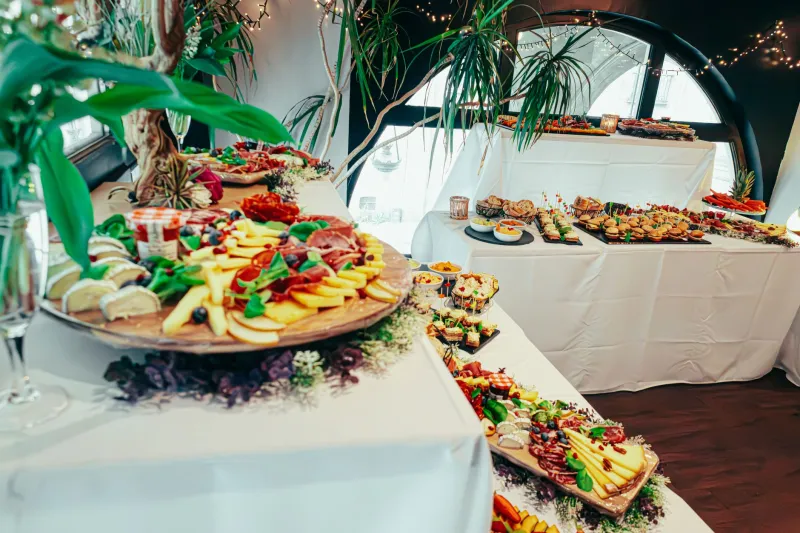
A curry night lives or dies on the cold stuff. This is where you spend your effort, because it's the part that needs no cooking and no timing.
- Raita — yoghurt, grated cucumber, mint, a pinch of salt. Make it thicker than you think.
- Chutneys — mango for the cautious, lime pickle for the committed, and something oniony in between.
- A chopped salad — red onion, tomato, cucumber, lemon, coriander. Sharp and cold against all that richness.
- Poppadoms and naan — buy the naan from the bakery aisle rather than the bread aisle; the difference is not subtle.
- Rice — one big tray of basmati, plus a bowl of plain for anyone who wants a safe harbour.
- A plain protein — griddled chicken strips or paneer cubes, unspiced, for the guest who genuinely just wants something familiar.
That last one matters more than it sounds. A plate of plain protein turns a maybe into a yes for fussy eaters, cautious grandparents and anyone who's had a long week and can't face a decision.
Label everything, loudly
If you take one thing from this piece, take this. Small cards, big letters, written before guests arrive — not squinted at from memory while someone hovers with a plate.
Mark the obvious ones: V for vegetarian, VE for vegan, GF for gluten-free. Add a short contains line for nuts, dairy and sesame, and keep the original packaging somewhere visible so anyone with a serious allergy can check for themselves. You are not a doctor and you don't need to be one; you just need to be clear. A guest who can read the table without asking three awkward questions is a guest who relaxes.
The kitchen closes at eight
Here's the schedule we'd actually use. It's built around the idea that the host should be holding a drink, not a ladle, by the time the doorbell starts going.
Two days before: buy the non-perishables, check the freezer, dig out the serving bowls and count the plates. Boring, but this is the step that saves you.
The day before: cook the base, make the raita, chop the salad components and store them separately, and mix the chilli relish. Label everything now while you're calm.
Three hours before: take the base out of the fridge, warm the poppadoms in a low oven, set the side table, and write the allergen cards.
One hour before: rice on, naan wrapped in foil, chutneys decanted, drinks out.
When guests arrive: the kitchen door shuts. Everything that could be done has been done. The heat dials go on the table, the pot goes on a trivet, and you sit down.
That last line is the entire point of the plan. A curry night where the host keeps disappearing to check on something is a curry night where the host misses the best bit — which is the table, all elbows and second helpings, arguments about naan versus rice and the slow realisation that everyone has built a completely different plate from the same spread.
A note on drinks and the finish
Keep it easy. Cold beer, a jug of mango lassi, sparkling water with lime, and a pot of chai at the end for anyone who wants to linger. You don't need a cocktail list; you need something cold and plenty of it.
And when the plates are cleared, don't rush the table. Curry night's quiet superpower is that it slows people down. Let it.