The Careful Spread: Allergy-Friendly Party Food That Doesn't Feel Like a Compromise
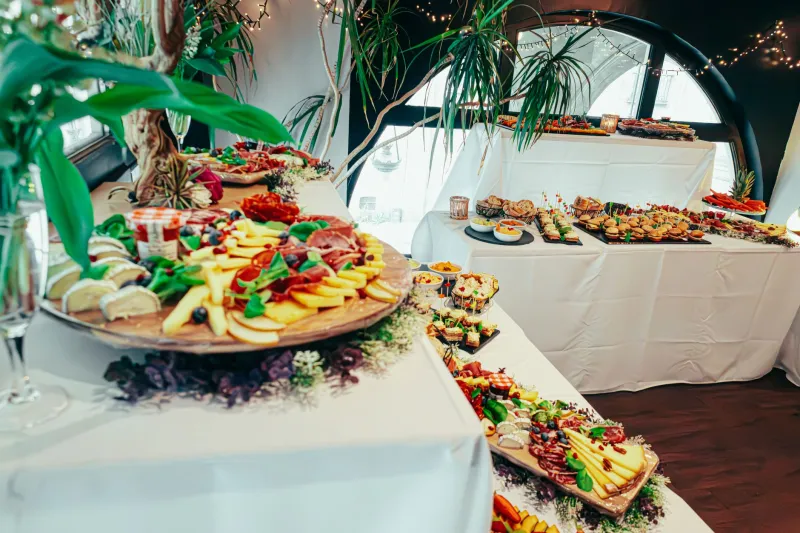
There's a moment every host dreads: the RSVP that reads, 'Just so you know, little Isla is dairy-free, and Uncle Geoff can't do gluten.' Your heart sinks. Not because you don't want to cater for them — of course you do — but because the buffet you'd pictured (cheese straws, sausage rolls, a towering Victoria sponge) suddenly feels like a minefield. You start imagining separate plates, awkward conversations, and a sad corner of celery sticks. It doesn't have to be that way.
Start with the RSVP, not the menu
The most common mistake is leaving dietary questions to the week of the party. By then you've already bought the sausage rolls. Instead, make it easy for guests to tell you what they need from the moment they reply. Add a simple line to your invitations — digital or paper — like: 'Please let us know of any allergies or intolerances by [date] so we can make sure there's plenty for everyone.' That wording matters. It's warm, inclusive, and avoids the clinical tone of 'list your medical conditions here'.
For kids' parties, a quick text to parents works wonders. Ask specifically about the big four: dairy, eggs, gluten, and nuts — plus anything else they flag. Most parents will be relieved you asked. And if someone mentions a severe allergy (a nut allergy, for instance), take it seriously. A five-minute phone call beats a dozen emails. Ask how severe it is, whether cross-contact is a risk, and what they'd feel comfortable with. That conversation also gives you permission to say, 'I'll make sure the houmous is nut-free, but I can't guarantee the bakery rolls haven't been near sesame.' Honesty builds trust.
Build a menu with swaps, not afterthoughts
Here's the liberating truth: you don't need to cook three separate menus. You need a handful of clever swaps that keep the same shape and spirit of your original spread. Think of it as a remix, not a replacement.
- Sausage rolls → choose gluten-free versions (many supermarkets now stock them in the freezer aisle). Or make your own with gluten-free puff pastry — it's widely available and behaves almost identically.
- Cheese straws → a dairy-free alternative can be made with plant-based spread and nutritional yeast, but honestly? A bowl of nice olives and salted crisps does the same job with zero fuss.
- Victoria sponge → a gluten-free and dairy-free sponge is easy to bake (swap butter for a good plant-based block and self-raising flour for a gluten-free blend with a teaspoon of xanthan gum). Or buy a reliable free-from cake mix and decorate it properly — nobody will know.
- Creamy dips → swap dairy yoghurt for coconut yoghurt in a mint dip, or make a smoky aubergine baba ganoush that's naturally dairy-free and feels generous.
- Butter on sandwiches → use a dairy-free spread for all of them. No one will notice, and it means one less thing to worry about.
For adult gatherings, the same logic applies. A cheeseboard can include a couple of dairy-free cheeses (there are excellent cashew-based ones now) alongside the traditional ones, clearly separated. A chilli can be made without dairy and served with dairy-free soured cream on the side. The key is to make the free-from options look like part of the plan, not a sad little plate on the edge.
Cross-contact: the invisible risk
If a guest has a serious allergy, cross-contact is the thing that keeps them up at night. You don't need a sterile kitchen, but you do need to be sensible. Use separate chopping boards for gluten-free bread. Keep a dedicated butter knife for the dairy-free spread (or use squeezy tubes to avoid double-dipping). Wash your hands between handling nuts and assembling the rest of the food. If you're grilling, cook the plain chicken skewers first, before the ones with a nutty marinade hit the barbecue.
And don't forget serving utensils. A spoon that's been in the creamy pasta salad shouldn't dive into the dairy-free one. It sounds obvious, but in the chaos of party prep, it's easily missed. A good rule: if in doubt, use a clean utensil. It takes two seconds and saves a world of worry.
Labels that inform, not alarm
Labelling dishes is a kindness — for allergy guests and for everyone else who's curious. But avoid the clinical look of a hospital cafeteria. Instead of a stark 'GLUTEN-FREE' sign, write a small card that says: 'Roast veg & chickpea salad (vegan, gluten-free) — contains no dairy, egg, or gluten.' Add a tiny symbol for the top allergens if you like (there are free printable templates online), but keep the language friendly. A handwritten card with a little doodle of a leaf or a heart feels celebratory, not medical.
Crucially, always list the allergens that are present. 'Contains: milk, egg, gluten' is just as important as the free-from claims, because it helps guests with multiple allergies navigate the table quickly. And put the cards next to the dish, not on a separate sheet of paper that gets lost under a drinks glass.
Keep the table celebratory
This is the part that often gets forgotten. When we focus on safety, the free-from food can end up looking like an apology: a plain bowl of fruit, a dry biscuit, a lonely carton of oat milk. Don't let that happen. Serve the dairy-free cake on a pretty stand. Put the gluten-free sausage rolls in a nice basket lined with a napkin. Add a few candles, some seasonal flowers, a handful of confetti. The visual message should be: this is a feast, and everyone is invited.
For kids, this matters even more. A child with an allergy often feels like the odd one out. If the free-from cupcakes are decorated with the same swirly icing and sprinkles as the others, they won't feel different. If the dairy-free ice lollies are in the same bucket as the rest, no one points. Inclusion is as much about presentation as it is about ingredients.
The bottom line
Catering for allergies isn't about becoming a food scientist. It's about asking early, planning a few swaps, being careful with utensils, labelling clearly, and making sure the free-from options look as good as everything else. Do that, and you'll have a party where every guest can relax, fill their plate, and get on with the important business of celebrating. And that's what hosting is really about.