The Tiny Party Takeover: Why the Best Guest Lists of 2026 Fit on One Hand
Something is happening to the British party. Big birthdays with marquees, hundred-person office dos, and invite-everyone-you've-ever-met house parties are giving way to something quieter. In 2026, the most memorable gatherings are small, deliberate, and often held around a kitchen table. This isn't just a budget thing — though money matters — it's a shift in what we want from a night out.
The big party hangover
For years, the default celebration was more: more guests, more props, more pressure. But there's a limit to how many people you can actually talk to, and hosts are tired. The cost of living crisis has made us look hard at £200 spent on a venue deposit and £300 on a buffet nobody eats. Meanwhile, the rise of the supper club and the dinner party revival has shown us that a table for eight can be more fun than a room for eighty.
What's driving the shift
Three things, mainly. First, money. Energy bills, rent, and the price of a pint have all made people more selective about how they spend. Second, time. A big party takes weeks of planning; a small one can come together in an afternoon. Third, and most importantly, connection. We're tired of shouting over music and leaving a party without having had a proper conversation. A smaller guest list means you actually get to talk to the people you've invited.
The supper club effect
You can see it in the popularity of supper clubs, wine bars with long communal tables, and the return of the Sunday lunch as a social event. People want food they can linger over, not a buffet that goes cold. They want to sit down. They want to pass plates. The small party is the natural home for that.
How to host small without it feeling flat
A small party needs a bit more structure than a big one. With fewer people, the pressure is on the atmosphere. Here's how to get it right.
Curate the guest list
Aim for six to ten people who either know each other well or have something in common. Don't mix two groups who've never met unless you're prepared to do the social heavy lifting. If you're celebrating a birthday, don't feel obliged to invite everyone from work and everyone from NCT; pick the people who'll make the evening easy.
Set the table properly
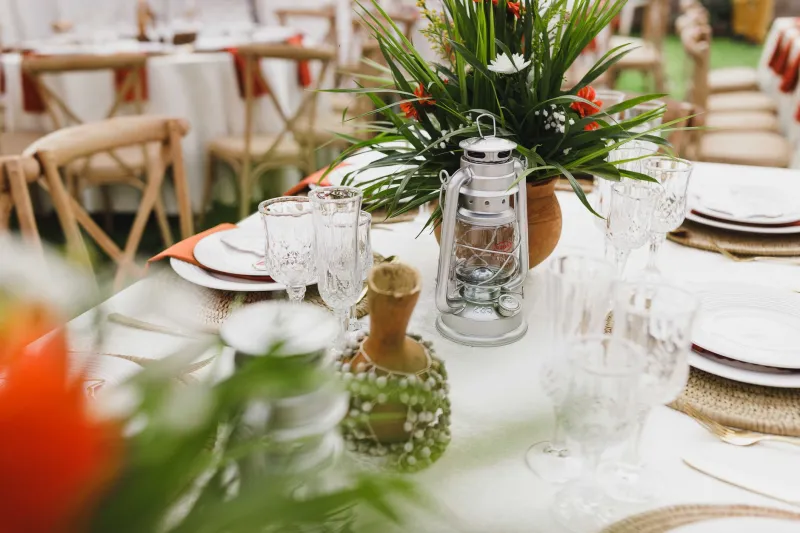
Small gatherings are tablescaping opportunities. Use a proper tablecloth, real napkins, candles, and a jug of flowers. It doesn't have to be expensive — charity shop finds are perfect here — but it should look like you made an effort. Sit people opposite someone new, and use place cards if you're feeling fancy.
Keep the food simple but generous
One or two dishes done well beats six dishes done okay. A big pot of something — chilli, curry, a slow-cooked ragù — with bread and a simple salad is ideal. Ask guests to bring a pudding or a bottle if you want to share the load. Avoid anything that requires last-minute frying while you're trying to talk.
Plan a little moment
A small party can feel aimless after the plates are cleared. Plan one thing: a quiz, a silly game, a walk around the block, or a playlist that everyone contributes to. It doesn't need to be elaborate. It just needs to give the evening a shape.
Get the lighting right
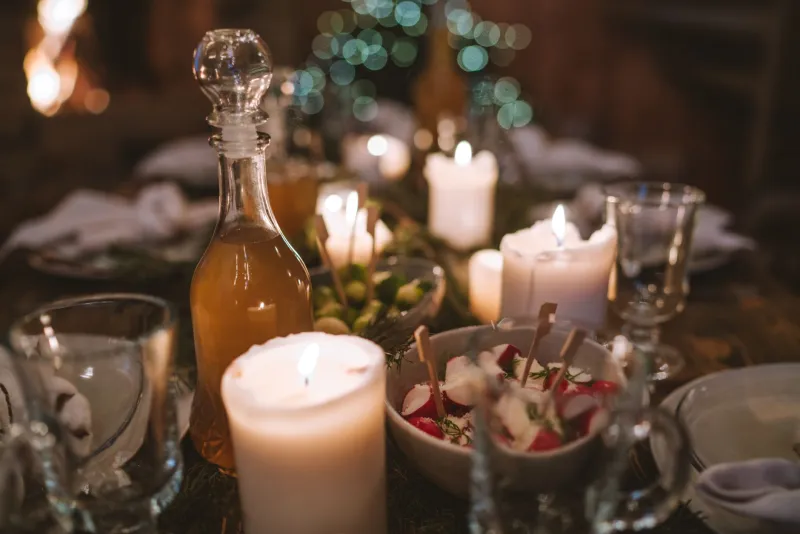
Overhead lights are the enemy of atmosphere. Use lamps, candles, and fairy lights. If you're in a small flat, move the furniture back and create a cosy corner. A small space with good lighting feels intimate, not cramped.
Micro-celebrations for every occasion
The small party trend isn't just for birthdays. It works for new jobs, housewarmings, exam results, and just-because Fridays. A few ideas: a pancake breakfast for four, a garden picnic for six, a film night with homemade popcorn, a Sunday roast for the family you actually like. The point is to mark the moment without turning it into a production.
The quiet luxury of a small do
There's a particular pleasure in a party where you can hear everyone, where the food is hot, and where nobody has to shout. It's not about being antisocial; it's about being intentional. In 2026, the best parties aren't the biggest ones. They're the ones where the guest list fits on one hand — and the conversation carries on long after the plates are cleared.