Hall of Fame: Why the Village Hall Is 2026's Smartest Party Venue
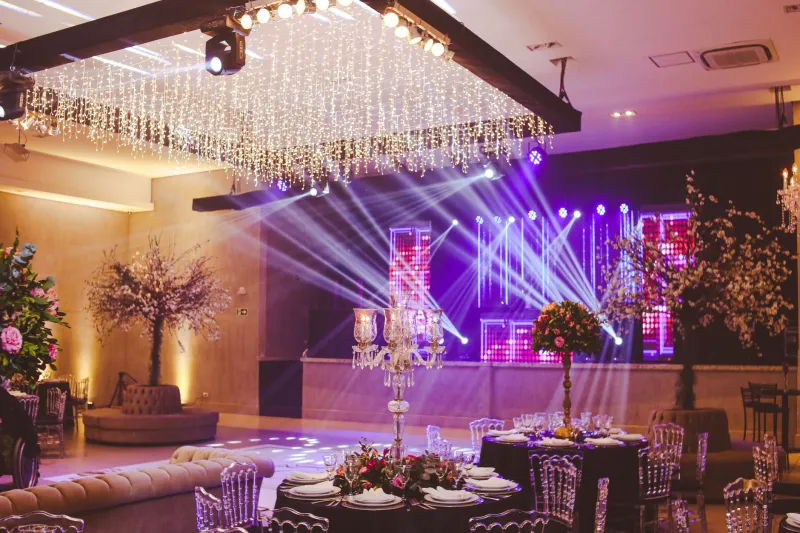
Hotels are perfectly nice. They have car parks, cloakrooms and someone else to wash up. But in 2026, the most interesting UK parties are happening in village halls, church rooms and scout huts — and not because hosts are cutting corners. They are choosing rooms with character, flexibility and a sense of community that a chain hotel function suite cannot fake.
The case for the humble hall
A village hall is a blank canvas with a kitchen. You can bring your own caterer, decorate without asking permission for every ribbon, and let children run about without a member of staff hovering. There is usually a stage, a parquet floor, a urn and a noticeboard full of jumble sale dates. It feels local. It feels like a party rather than a conference. And in a year when many of us are trying to spend more thoughtfully, the hire fee is often a fraction of a hotel minimum spend.
This is not nostalgia for draughty rooms and folding chairs. The best halls have been refurbished, with good heating, accessible toilets and proper kitchens. The comeback is practical as much as romantic.
Read the small print before you fall in love
Every hall is different, and the committee that runs it will have rules. Ask about licences first. If you want to sell alcohol, play amplified music or stay late, you may need a premises licence or a Temporary Event Notice (TEN). Rules vary across the UK, so check with the local council and the hall. Ask about insurance, capacity, deposit and key collection. Confirm the noise cut-off time — many halls ask for music off by 11pm, some by 10pm — and plan your last dance accordingly. Check parking, accessibility and whether the hall has a defibrillator. These details are not glamorous, but they save a lot of stress.
Kitchens, caterers and local suppliers
Kitchen access is the big question. Some halls have a domestic-style kitchen with an oven, fridge and urn; others have a commercial setup. Ask what your caterer can use and whether they need to bring equipment. If the kitchen is basic, a local caterer may offer cold platters, slow-cooked dishes or a hot-holding service. This is where the village hall really wins: you can support a nearby bakery, deli or food truck instead of being tied to a hotel menu. Ask about corkage, rubbish collection and whether the hall has enough bins. Leave the kitchen as you found it — the next party depends on it.
Decor that transforms a bland room
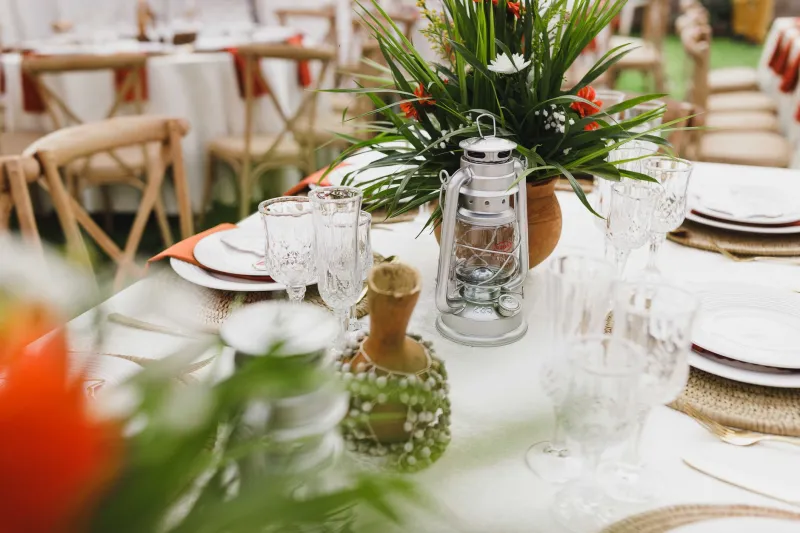
The trick is to change the light before you change anything else. Fluorescent strips are the enemy of atmosphere. Ask if you can switch them off and use lamps, fairy lights, uplighters or battery candles. Check what you are allowed to fix to the walls; many halls prefer freestanding decorations and command strips that remove cleanly. Tablecloths, runners and borrowed plants do a lot of heavy lifting. Create zones: a welcome table, a photo corner, a quiet corner for grandparents and a play area for children. Use the stage if there is one, but never block fire exits. Keep décor easy to remove at the end of the night, and avoid confetti and glitter if the hall has a no-mess policy.
Noise, neighbours and the last dance
A hall is usually surrounded by houses, so be a good neighbour. Tell your DJ or band about the cut-off time. Put speeches earlier in the evening when the room is quiet. If you want live music, consider an acoustic set. Book taxis in advance and tell guests the postcode. And build in half an hour for clearing up, because the caretaker will not want to wait.
The community bonus
Booking a hall is a small act of local support. Use a nearby caterer, buy flowers from a village shop, hire a local DJ and leave a donation for the committee if you can. The result is a party that feels rooted in a place rather than dropped into a function room. Hotels will always have their place, but in 2026 the village hall is the smartest room in town.